Understanding emotional connection
Today I would like to share this interview about how to understand emotional connection. And also this Reading Comprehension activity for C1 students to complete on January 21st, which is Hug Day!.
If, like me, you like to explore a little further, you can ask your students to do the additional Self-awareness exercise as homework. Or as group discussions should classroom climate permit!
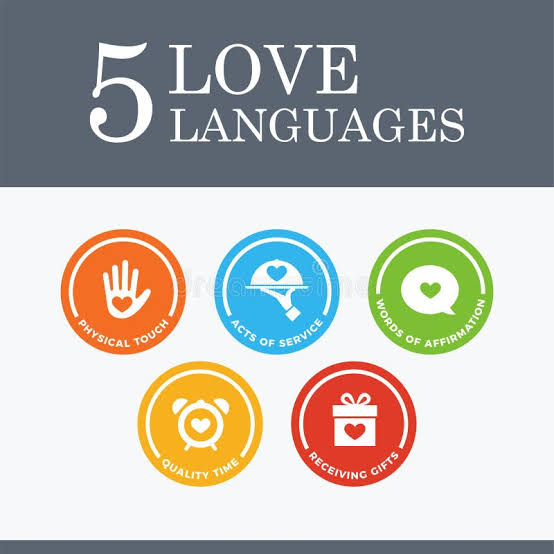
In 1992, American psychologist Gary Chapman introduced the theory of the Five Love Languages, suggesting that people express and experience love in different ways. After working with hundreds of couples, Chapman concluded that many relationship problems arise not because people do not care about one another, but because they communicate affection through different «languages.»
According to Chapman, love languages are not spoken languages but patterns of behaviour that reflect how people build emotional connections. Understanding these patterns can help individuals strengthen their relationships by responding to what their partners genuinely need, rather than simply offering affection in the way they themselves prefer.
 The first love language is Words of Affirmation. People whose primary language is verbal affirmation feel valued when they hear expressions of appreciation, encouragement or affection. Compliments, sincere praise and simple statements such as «I appreciate everything you do» or «You mean a great deal to me» have a powerful emotional impact on them. Interestingly, people who frequently express affection through words often expect the same form of communication in return.
The second language is Quality Time. For these individuals, the greatest expression of love is spending meaningful time together without distractions. This does not necessarily involve expensive activities; what matters is undivided attention. A walk, a shared meal or an honest conversation can strengthen emotional bonds far more than material gifts. When someone complains that their partner is constantly checking emails or looking at their phone, what they may actually be asking for is genuine presence and active listening.

The third language is Receiving Gifts. Contrary to popular belief, this language is not about materialism or extravagance. Instead, gifts symbolise thoughtfulness and emotional investment. A carefully chosen present, regardless of its price, can communicate affection because it demonstrates that someone has been remembered and valued. Likewise, people who feel disappointed when they never receive small tokens of affection may simply be expressing their emotional needs rather than their desire for expensive possessions.
The fourth language consists of Acts of Service. Here, love is communicated through practical help. Preparing a meal, completing household chores or offering assistance during stressful moments can become meaningful expressions of care. These gestures demonstrate consideration and commitment, particularly when they reduce another person’s burdens. Conversely, repeatedly refusing to help with everyday responsibilities may be interpreted as indifference.
 Finally, there is Physical Touch. Hugs, kisses, holding hands or simply sitting close to someone can provide reassurance, comfort and emotional security. For people whose primary love language is physical contact, these gestures often communicate affection more effectively than words alone.
Chapman also distinguishes between primary and secondary love languages. Primary languages are usually acquired unconsciously during childhood through family relationships and early emotional experiences. Secondary languages, however, can be learned later in life. By recognising a partner’s preferred way of receiving affection, people can consciously adapt their behaviour and develop new ways of expressing love.
Identifying one’s own love languages requires self-awareness. Observing how we naturally express affection and noticing what we repeatedly expect from others can provide valuable clues. In many cases, the way we choose to love others reflects what we ourselves need most. In other words, what we consistently give is often what we hope to receive.
Ultimately, successful relationships depend not only on good intentions but also on mutual understanding. Two people may love each other deeply, yet struggle to feel emotionally connected if they express affection in incompatible ways. Fortunately, love languages are not fixed. Just as people can learn a foreign language, they can also learn new ways of communicating affection. Doing so requires empathy, attention and a genuine willingness to understand another person’s emotional needs.
SELF AWARENESS EXERCISE | Identifying Your Love Language
The first step towards understanding the concept of love languages is to identify your own. While some people naturally rely on just one dominant love language, many express affection through two or even three. Although it is possible to relate to all five, most individuals have clear preferences. Developing greater self-awareness is therefore essential before attempting to understand the emotional needs of others.
How can we recognise our own love languages? The answer lies in
careful observation and
honest self-reflection.
Consider both the ways in which you naturally express affection and the behaviours you most frequently expect from those around you. The forms of love we value most often reveal themselves through what we repeatedly seek in our relationships.
For example, someone who instinctively offers practical help may feel most appreciated when others support them in return. Likewise, a person who regularly seeks physical closeness is likely to experience affection most strongly through touch. Similarly, individuals who enjoy giving thoughtful presents often associate gifts with emotional connection and may interpret receiving them as a meaningful expression of love.
In many cases, the way we choose to care for others reflects our own emotional needs. By recognising these recurring patterns, we can gain valuable insight into how we experience affection and communicate it more effectively in our relationships.
Inspired by Una tarde más @aliciaheras and @_educacionconemocion

Recent Posts